
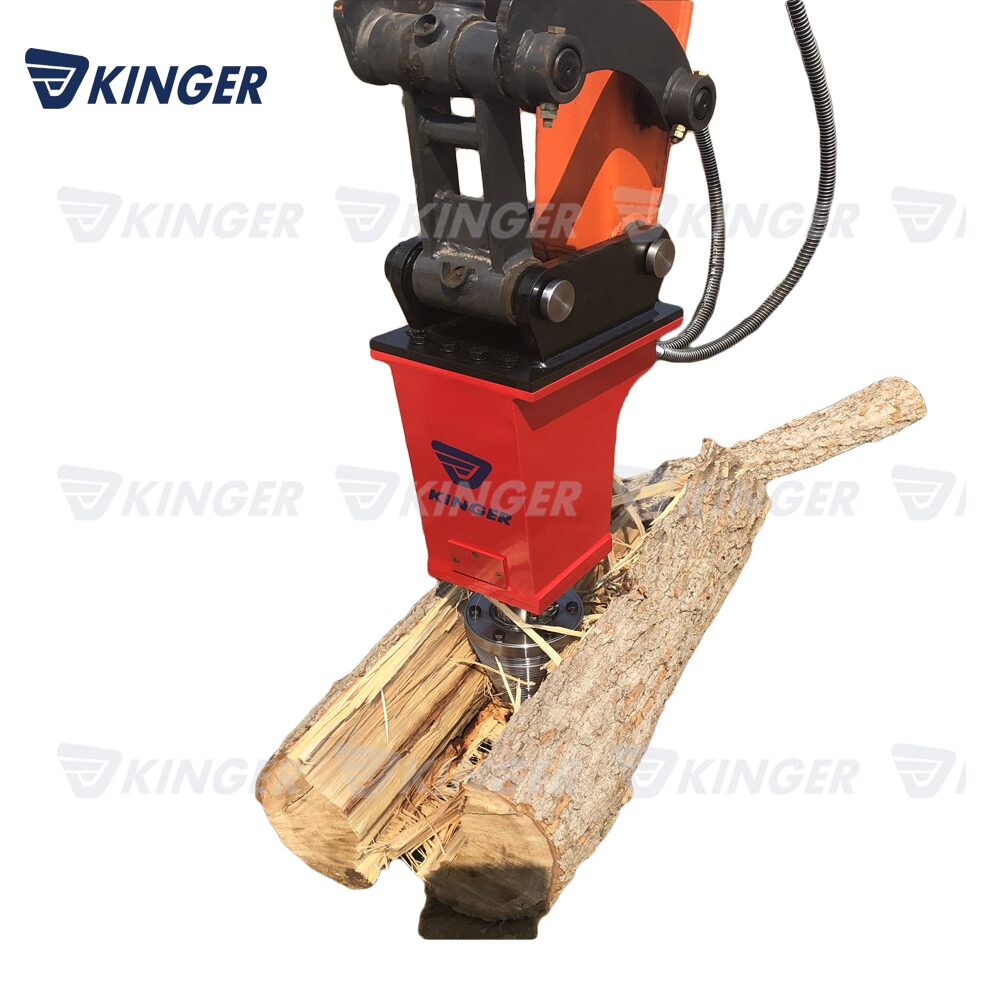
This comprehensive guide is designed for industrial buyers, sourcing managers, distributors and engineering teams
who search for heavy duty other machinery manufacturers, suppliers and factory listings.
It explains what “heavy duty other machinery” typically includes, how to compare factories, which technical
specifications matter, and how to evaluate quality, compliance and total cost of ownership.
The term heavy duty other machinery is widely used in B2B directories, industrial catalogs and
sourcing platforms to group specialized equipment that does not fit into a single, narrow category such as
“excavators” or “compressors”. It usually covers a broad range of robust, industrial-grade machines
built for continuous operation, high loads and demanding environments.
Heavy duty other machinery is commonly used in:
While product naming differs among manufacturers and suppliers, heavy duty machinery can be grouped by
functional role or industry application.
When browsing factory listings for heavy duty other machinery, these segments often appear as filters or categories.
| Functional Category | Typical Heavy Duty Machinery Examples (Generic) | Main Purpose |
|---|---|---|
| Material Handling | Heavy duty conveyors, pallet transfer systems, bucket elevators, industrial stackers | Move bulk solids, pallets, containers or large components within a facility or yard |
| Size Reduction & Processing | Crushers, shredders, grinders, pulverizers, heavy duty mixers | Reduce material size, blend or process raw materials, waste or recyclables |
| Forming & Shaping | Hydraulic presses, forging machines, rolling mills, bending machines | Form, press or deform metals and other materials into required shapes |
| Lifting & Positioning | Industrial hoists, heavy duty winches, jacking systems, lifting platforms | Lift, hold or align heavy components during assembly or maintenance |
| Pumping & Fluid Handling | Slurry pumps, multistage high-pressure pumps, process pumps | Transfer, pressurize or circulate liquids, slurries or chemicals |
| Power & Drive Systems | Industrial gearboxes, drive trains, large couplings, power transmission units | Transmit torque and power between engines, motors and driven equipment |
| Environmental & Waste | Compactors, balers, incineration systems, heavy duty filters | Treat, compact, sort or dispose of industrial waste streams |
| Construction Support | Piling equipment, concrete batching and mixing systems, rebar processing lines | Support construction, infrastructure and civil engineering projects |
| Industry | Example Uses for Heavy Duty Other Machinery |
|---|---|
| Mining & Minerals | Crushing lines, heavy duty screens, belt conveyors, slurry pumps, stacker-reclaimers |
| Metallurgy & Steel | Continuous casting support equipment, billet handling systems, rolling mill auxiliaries |
| Cement & Building Materials | Clinker coolers, rotary kiln support equipment, bulk material handling systems |
| Energy & Power | Coal and biomass handling, ash handling systems, cooling water pumps |
| Oil, Gas & Petrochemicals | Heavy duty pumps, compressors, mix vessels, loading arms, flare support equipment |
| Agriculture & Forestry | Feed processing, large shredders, biomass handling, drying systems |
| Waste & Recycling | Metal shredders, balers, compactors, sorting conveyors, heavy duty trommel screens |
| Ports & Logistics | Bulk handling conveyors, mobile hoppers, rail unloading systems |
Companies turn to heavy duty machinery suppliers and factories because they need reliable,
long-life equipment that can handle extreme conditions and intensive workloads. Main benefits include:
When comparing heavy duty other machinery suppliers and manufacturers, buyers should use
clear technical specifications. These commonly appear on datasheets, RFQs, quotations and factory listings.
| Specification Category | Parameter | Typical Range / Description |
|---|---|---|
| Capacity & Performance | Nominal Capacity | From a few tons/hour to several thousand tons/hour depending on machine type |
| Operating Speed | Variable, often adjustable via VFD or hydraulic control | |
| Duty Cycle | Continuous, intermittent or batch operation | |
| Efficiency | Mechanical and energy efficiency specified as percentage where applicable | |
| Mechanical & Structural | Machine Weight | Can range from several hundred kilograms to hundreds of tons |
| Dimensions | Overall length, width, height, footprint and installation envelope | |
| Frame Design | Fabricated steel, cast components, modular or monobloc structure | |
| Load Ratings | Static and dynamic loads, maximum allowable forces, torque limits | |
| Power & Drive | Installed Power | From several kW to multiple MW depending on application |
| Power Supply | Commonly 380–480 V, 50/60 Hz, 3-phase; or hydraulic/engine-driven | |
| Drive Type | Electric motor with gearbox, direct drive, hydraulic drive, or combination | |
| Control Method | Manual, semi-automatic, PLC-based automation with HMI | |
| Process & Material | Material Type | Bulk solids, liquids, slurries, metals, waste, biomass, aggregates, etc. |
| Material Size | Maximum input size, desired output size (for crushers, shredders, etc.) | |
| Process Temperature | Standard or high-temperature designs as required | |
| Chemical Compatibility | Corrosion-resistant materials (e.g., stainless steel, special alloys) if needed | |
| Environmental | Ingress Protection | IP rating for enclosures and motors (e.g., IP54, IP65) |
| Ambient Temperature | Typical design range (e.g., -20°C to +45°C) or customized | |
| Noise Level | Sound pressure level at specified distance (dB(A)) | |
| Dust & Emissions | Dust covers, extraction interfaces, filters or emission control features | |
| Safety & Compliance | Safety Category | Compliance with machinery directives, local regulations and risk assessment |
| Protection Devices | Emergency stops, guards, overload protection, monitoring sensors | |
| Certificates | CE, UL, CSA, ATEX, ISO-based certifications as applicable | |
| Documentation | Operation manuals, installation guides, maintenance instructions |
Many heavy duty machinery manufacturers provide performance curves, showing throughput vs.
power consumption, pressure vs. flow, torque vs. speed, or similar. Buyers should request:
Choosing a best-rated heavy duty machinery factory means understanding what materials
and core technologies they use, and how these affect durability, corrosion resistance and performance.
| Material Type | Usage in Heavy Duty Machinery | Key Advantages |
|---|---|---|
| Carbon Steel | Frames, housings, supports, structural beams | High strength, good weldability, cost-effective |
| Alloy Steel | Shafts, gears, high-stress components | Improved hardness, fatigue resistance and toughness |
| Stainless Steel | Contact parts for corrosive or hygienic applications | Corrosion resistance, cleanability, hygienic surfaces |
| Cast Iron / Ductile Iron | Casings, bases, housings, complex shapes | Vibration damping, stability, good machinability |
| Wear-Resistant Plates | Liners, chutes, wear zones in crushers or hoppers | Longer life under abrasion and impact |
| Polymer and Composite Materials | Seals, liners, non-structural components | Reduced friction, corrosion resistance, noise reduction |
The heavy duty machinery market includes different types of manufacturers, suppliers and factories.
Understanding their roles helps buyers choose the right partner.
Selecting a best-rated heavy duty other machinery manufacturer or supplier requires a structured
evaluation based on technical, commercial and service criteria.
| Criteria | What to Check | Why It Matters |
|---|---|---|
| Technical Capability | Engineering team size, design tools, past projects, references | Ensures the supplier can handle complex, custom requirements |
| Manufacturing Capacity | Workshop area, cranes, machine tools, production equipment | Determines maximum size, weight and volume they can produce |
| Quality Management | ISO 9001 or equivalent, documented procedures, traceability | Reduces risk of defects and inconsistent quality |
| Experience in Your Industry | Project list, case studies, similar applications | Improves design relevance and problem-solving ability |
| Compliance & Certifications | Conformity with industry and regional standards | Helps meet regulatory requirements and safety obligations |
| After-Sales Support | Spare parts availability, service teams, remote support | Minimizes downtime and supports long-term operation |
| Financial Stability | Business history, scale, exported markets | Indicates ability to support large or long-term projects |
| Lead Time & Delivery Performance | Standard and custom lead times, on-time delivery rate | Affects planning and project scheduling |
| Communication & Project Management | Responsiveness, language capabilities, dedicated contacts | Enhances clarity, reduces miscommunication and delays |
To obtain accurate quotations from heavy duty machinery factories and suppliers, RFQs should clearly state:
Best-rated heavy duty machinery manufacturers typically apply systematic quality control (QC)
and quality assurance (QA) procedures at each production stage.
| Test Type | Purpose | Typical Application |
|---|---|---|
| Load Test | Verify ability to handle rated loads without failure | Lifting equipment, hoists, structural frames |
| Performance Test | Confirm throughput, efficiency, speed or pressure parameters | Pumps, conveyors, crushers, presses |
| Run Test / No-Load Test | Check vibration, noise, temperature rise and system behavior | Rotating machines and assemblies |
| Hydrostatic / Pressure Test | Verify sealing and strength under pressure | Piping, vessels, pump casings, hydraulic systems |
| Electrical Safety Test | Ensure insulation, grounding and protection devices function correctly | Control panels, motor starters, power systems |
| Environmental & Protection Test | Validate IP rating and resistance to dust, water or temperature | Outdoor or harsh-environment machinery |
Heavy duty other machinery prices vary widely depending on capacity, complexity and origin.
Understanding cost drivers helps buyers evaluate quotes from different factories and suppliers.
| Factor | How It Affects Price |
|---|---|
| Machine Size and Capacity | Larger, higher-capacity machines require more materials, power and engineering |
| Material Selection | High-alloy, stainless or wear-resistant materials cost more than standard steel |
| Design Complexity | Custom, non-standard or highly engineered solutions increase design time and risk |
| Automation Level | Advanced controls, sensors and integration raise upfront costs but may cut operating costs |
| Certification Requirements | Extra tests, documents and third-party inspections add to the overall cost |
| Production Volume | Single units are more expensive per piece than series or batch production |
| Origin and Labor Costs | Factories in different regions have varying labor, energy and overhead costs |
| Packaging and Shipping | Oversized and overweight equipment needs special transport and handling |
Many heavy duty machinery factories provide OEM (Original Equipment Manufacturer) and
ODM (Original Design Manufacturer) services for brands, distributors and project companies.
Heavy duty other machinery usually ships as oversized, heavy cargo, sometimes in multiple
sections for assembly on site. Reliable logistics planning is vital.
In many industrial catalogs, “other machinery” covers specialized or less common machine types
that do not fit predefined categories. It may include custom-built equipment, auxiliary systems, test rigs,
or multi-purpose machines installed around core process equipment.
Use a standardized comparison matrix that lists capacity, power, dimensions, materials,
certifications, delivery time and price for each option. Confirm all data from technical datasheets and
clarify any missing information with the supplier before making decisions.
Lead times vary widely. Simple standard machines may be shipped within a few weeks, while large custom
systems can require several months or longer. Lead time depends on engineering complexity,
material availability, production workload and testing requirements.
Many manufacturers offer 12 to 24 months warranty from shipment or commissioning,
covering defects in materials and workmanship. Extended warranties, service contracts or performance
guarantees can be negotiated for critical or long-term projects.
For heavy duty other machinery, professional installation and commissioning significantly
affect reliability and safety. Buyers should clarify whether the supplier provides on-site supervision,
training and commissioning services, or partners with local service providers.
Many systems can be retrofitted or upgraded with new drives, controls, liners or components.
Discuss future expansion needs with the manufacturer so they can include spare capacity, modular
design or upgrade paths in the initial proposal.
The following checklist helps structure the evaluation of heavy duty other machinery manufacturers,
suppliers and factories when preparing longlists or shortlists for your project or directory.
| Category | Evaluation Point | Notes / Actions |
|---|---|---|
| Company Profile | Years in heavy duty machinery business | Confirm establishment date and industry focus |
| Key markets and export regions | Check experience with your target region and regulations | |
| Scale of operations | Review factory size, staff numbers, production capacity | |
| References and case studies | Ask for similar projects and client feedback | |
| Technical Ability | Engineering resources | Number of engineers, design tools (CAD, FEA, etc.) |
| Customization capability | Proven record of custom or semi-custom designs | |
| Testing and R&D | Availability of test benches, labs, prototypes | |
| Process knowledge | Understanding of your specific process or material | |
| Quality & Compliance | Quality management system | ISO 9001 or equivalent, documentation and audits |
| Certifications and approvals | Compliance with relevant industry and regional standards | |
| Inspection and testing | Documented QC plans, FAT and SAT procedures | |
| Traceability and documentation | Material certificates, welding records, manuals | |
| Production & Logistics | Lead times and capacity | Ability to meet your project schedule and volume |
| Production equipment | Cranes, machine tools, welding and fabrication lines | |
| Packaging and shipping | Experience with heavy, oversized equipment exports | |
| Spare parts management | Stock levels, lead times and obsolescence policies | |
| Service & Support | After-sales service | Availability of field technicians, remote support |
| Training | Operator and maintenance training options | |
| Response time | Commitment for service response and problem resolution | |
| Long-term cooperation potential | Willingness to support upgrades and expansions | |
| Commercial | Pricing transparency | Clear breakdown of equipment, services and options |
| Payment terms | Alignment with project cash flow and risk management | |
| Contract conditions | Warranty, liability, acceptance criteria, performance guarantees |
By combining these evaluation criteria with well-structured RFQs and clear technical specifications,
buyers and project owners can identify best-rated heavy duty other machinery manufacturers,
suppliers and factory partners that match their performance, quality, budget and schedule targets.
```
Acest site web folosește cookie-uri pentru a vă asigura că aveți cea mai bună experiență pe site-ul nostru.


 English
 Español
 Portugues
 Français
 Italiano
 Nederlands
 Polski
 lietuvių
 Hrvatski



 Whatsapp
 Telefon
cometariu
(0)